Game Overview
Hand and Foot is a Canasta variant that rose to popularity in the United States during the 1950s. It employs five to six decks, including Jokers, and pits players against each other to empty their hand first, then their foot. The game blends traditional melding with a two‑stage discard strategy. Enjoy!!
Historical Context and Popularity
Hand and Foot emerged in the mid‑twentieth century as a lively offshoot of the classic Canasta game. The first documented references to the variant appear in American card‑game literature of the early 1950s, when the game began to spread through social clubs, family gatherings, and competitive tournaments across the United States. Its appeal lay in the combination of familiar melding mechanics with the added challenge of managing two separate card piles— the Hand and the Foot— which required players to strategize over a longer play cycle. The game’s popularity was further fueled by its inclusion in popular card‑game compilations and by the widespread availability of multi‑deck packs that could accommodate the five to six deck requirement. By the late 1950s, Hand and Foot had become a staple in many American households, and it continued to attract new players through the 1960s and 1970s as card‑game enthusiasts sought fresh variations on classic themes. Today, the game maintains a dedicated following in card‑game clubs and online communities, where players share strategies, organize tournaments, and publish rule PDFs that preserve the tradition while adapting to modern play styles. Its enduring appeal is a testament to the game’s blend of skill, memory, and social interaction, which resonates with both casual players and competitive gamers alike. Players often exchange tips online, and many clubs host monthly tournaments that celebrate the game’s strategic depth and social charm and share tips.!
Deck Composition
Hand and Foot uses five to six standard decks plus Jokers, totaling 260–312 cards. Each deck contains 52 cards; Jokers are wild. Players must manage the combined pile, ensuring all cards are accounted for before play. The mix of suits and wilds creates diverse meld possibilities
Number of Decks, Jokers, and Wild Cards
Hand and Foot is played with a massive combined pack that typically consists of five to six standard 52‑card decks plus the Jokers from each deck. When five decks are used the total card count is 260, and when six decks is rises to 312 cards. Each standard deck contributes two Jokers, so the full shoe contains ten Jokers with five decks or twelve Jokers with six decks. In the ruleset, Jokers are the highest‑ranking wild cards and are worth fifty points each when they are captured in a meld. Deuces (the twos) are also designated as wild cards; they carry a point value of twenty and can substitute for any rank in a meld, though they are less powerful than Jokers. Because both Jokers and Deuces are wild, they may be mixed together in a single meld, but the total number of wild cards in any meld cannot exceed three unless a special rule is invoked. The presence of a large number of wild cards dramatically expands the strategic possibilities, allowing players to complete high‑value melds quickly or to block opponents by hoarding them. The exact composition of the shoe must be agreed upon before the first deal, and the decks are shuffled together thoroughly to ensure a random distribution of suits, ranks, and wild cards throughout the stock. When the shoe is prepared, each deck’s two Jokers and two Deuces are counted, resulting in a total of twenty‑four wild cards with five decks or twenty‑eight with six decks, providing ample flexibility for high‑scoring melds and defensive play. every round. Now.
Objective and Winning Conditions
The goal is to be the first player to discard all cards in both the hand and the foot. Players must meld to meet round minimums, then play cards from the hand until it empties, then from the foot. The first to clear both sets wins the round and the game.!!! Enjoy!
Clearing Hand and Foot to Win
Players must also be mindful of the red three rule, which forces a player to discard immediately if a red three appears on the discard pile. Jokers and deuces act as wild cards with high point values, shaping strategy. Mastering these nuances is key to victory for all. and fun!!!!
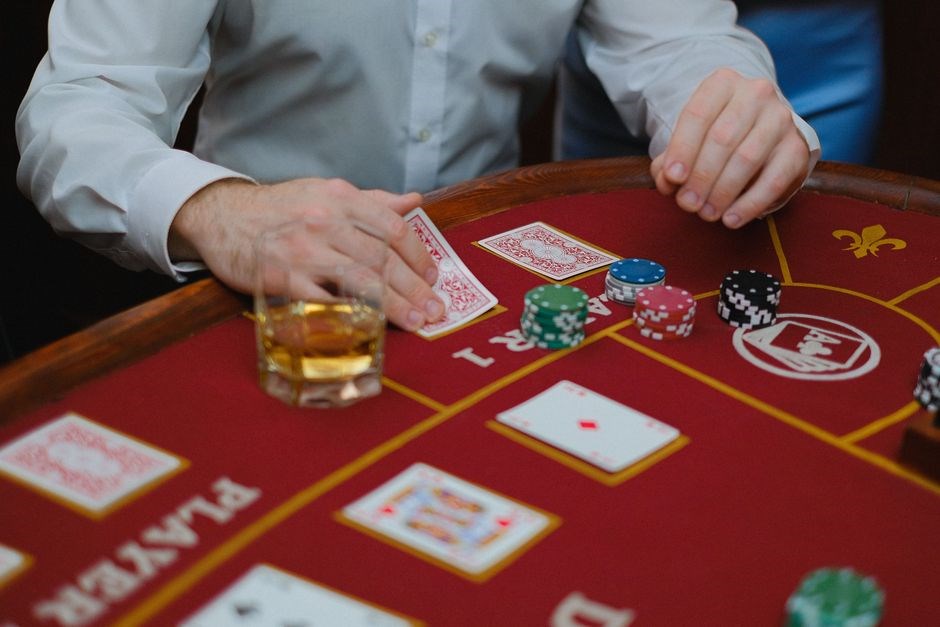
- Deal the hand and foot.
- Meet the round minimum.
- Play cards from the hand.
- Switch to the foot when hand is empty.
- Use discard pile strategically.
- First to clear both wins.
When a player has cleared the hand, they immediately begin drawing from the foot. The foot remains face‑down until the player flips it, revealing a fresh set of cards that must be played in the same manner as the hand. Players can still pick up the discard pile after the hand is empty, but the rules for melding remain unchanged. A key strategic element is managing the timing of when to switch from hand to foot; premature switching can leave a player vulnerable to opponents’ melds, while delayed switching may waste valuable discard opportunities. Additionally, the red three rule forces a player to discard immediately if the red three is exposed, which can disrupt a player’s plan to finish the hand or foot. Jokers and deuces are the most valuable wild cards, worth 50 and 20 points respectively, and they can be used to complete any meld. However, wild cards must be used carefully, as they also count towards the minimum meld requirement and can be forced onto an opponent if the discard pile contains a high‑value card. Mastering these nuances—such as when to hold onto wild cards, how to build a strong foundation of low‑point melds, and how to anticipate opponents’ discard patterns—is essential for achieving a clean sweep of both the hand and the foot. The game’s complexity lies in balancing aggressive play with defensive caution, ensuring that each move contributes to the ultimate goal of clearing all cards and securing victory.

Setup and Deal
Shuffle five to six decks with Jokers, then deal each player 11 cards for the Hand and another 11 face‑down for the Foot. Place the remaining cards in the Stock, turn the top card face‑up as the discard pile, and begin play once everyone has examined their Hand. Deal clockwise turn
Hand and Foot Dealing Process
First, combine five to six standard decks and add Jokers, then shuffle thoroughly to ensure randomness. Deal each player an initial set of 11 cards, known as the Hand, which the player may inspect and arrange. After the Hand is dealt, each player receives a second set of 11 cards, the Foot, which remains face‑down until the Hand is exhausted. The remaining cards form the Stock, placed face‑down in the center. The top card of the Stock is turned face‑up to start the discard pile. If that card is a red Three, a Deuce, or a Joker, the dealer must reshuffle the Stock and redeal, as these cards trigger a special rule that forces a new deal. Once the discard pile is established, play proceeds clockwise, with each player drawing one card per turn from either the Stock or the discard pile, then discarding one card. The objective is to meld cards from the Hand first, then from the Foot, while meeting round minimums and using wild cards strategically. The dealing process sets the stage for the strategic depth that characterizes Hand and Foot. During the deal, the dealer may shuffle again if the top Stock card is a red Three, Deuce, or Joker, triggering a redeal. After the initial deal, each player examines their Hand, then places their Foot face‑down, and the Stock is set aside for drawing during the game. The dealer then places the top card of the Stock face‑up to start the discard pile, ensuring that if it is a red Three, Deuce, or Joker, a new deal is required. Players then begin drawing and discarding, aiming to meld as early as possible. Fair! OK

Stock, Discard, and Turnover
The Stock is the face‑down pile from which players draw. The top card becomes the discard pile. If it is a red Three, Deuce, or Joker, the dealer must reshuffle and redeal. Turnovers occur when a player discards a card that meets a rule, allowing a new discard cycle!
Initial Discard and Red Three Rule
The game begins with the dealer turning the top card of the Stock face‑up to start the discard pile. If this card is a red Three, a Deuce, or a Joker, the dealer must immediately reshuffle the entire Stock, redeal all hands, and then turn a new card. This rule prevents a player from gaining an unfair advantage by starting with a powerful card. Once a valid initial discard is placed, play proceeds clockwise. Players may pick up the discard pile only if they meet the minimum meld requirement for the round or if the top card is a wild card that can be used to form a meld. The red Three rule also applies to any subsequent discards: if a player discards a red Three, the next player must draw two penalty cards and the turn passes. This mechanic keeps the game balanced and adds a layer of strategy around the timing of discards and the use of wild cards. The rule is strictly enforced in tournament play and is a key factor in determining the flow of the early game. Players must also be mindful of the penalty points accrued when they fail to meet the minimum meld requirement, as these points can significantly affect the final score and may determine the outcome of a tightly contested game. Additionally, the strategic use of wild cards during melding can create powerful combinations that satisfy minimums and set up high‑value plays, turning an ordinary hand into a decisive advantage. This careful planning ensures that each discard is a calculated step toward victory, making move count in the ‑stakes environment of Hand and Foot for win!!!!
Melds, Minimums, and Wild Cards
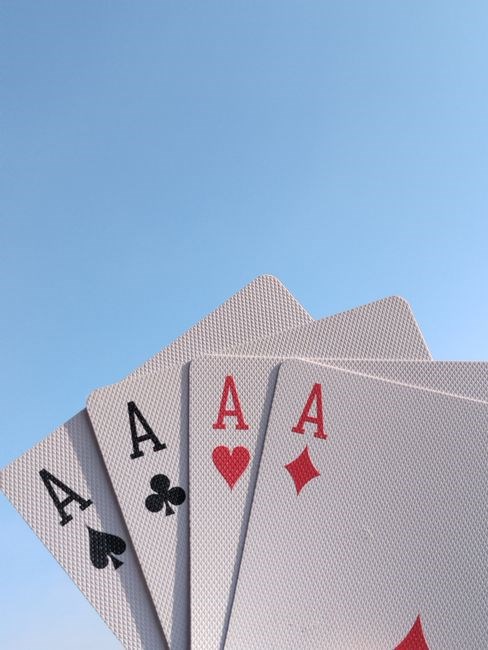
Players must form melds of at least three cards of the same rank, using wild cards to complete sets. Jokers and Deuces are wild, worth 50 and 20 points respectively. Each round has a minimum point total: 50, 90, 120, 150. Exceeding the minimum allows the team to go “in” and play freely. Wild cards add value.!!!!
Round Minimums and Wild Card Values
In Hand and Foot, each of the four rounds imposes a progressive point threshold that a team must reach before it can fully participate in play. The thresholds are 50 points in the first round, 90 in the second, 120 in the third, and 150 in the fourth. These figures represent the combined face‑value of all cards melded during that round, including any wild cards used to complete sets. Wild cards carry special point values that influence both the minimum calculation and the overall score. Jokers, the most potent wilds, contribute 50 points each. Deuces (twos) are also wild and add 20 points per card. Aces, while not wild, are valued at 20 points and can be used in melds to help reach the required total. All other ranks have lower values: eights through kings are worth 10 points each, and threes through sevens are worth 5 points each. When a team melds cards that include wilds, the wild’s point value counts toward the round’s minimum. However, if a team picks up the discard pile, only the cards placed on the table during that turn count toward the minimum; the remaining cards in the pile do not. This rule ensures that teams must strategically plan their melds to satisfy the round’s threshold while managing the use of high‑value wilds. The progressive nature of the minimums encourages increasing complexity as the game advances, rewarding teams that can efficiently combine high‑value wilds with standard cards to achieve the required totals in each successive round.!!!!!
Play Mechanics and Scoring
Players draw from stock or discard, then discard one. Now! A turn may include melding, picking up the discard pile, or both. Melds must meet the round minimum End Points are tallied after a team clears hand and foot: melds score by card values, wilds add bonus points, and penalties apply for leftover cards.
Turn Actions, Picking Up, and Calculating Points
At the start of each turn a player must draw either the top card of the stock or the entire discard pile. If the discard is taken the player may immediately meld cards from the discard together with matching cards from his hand, provided the meld helps satisfy the round’s minimum requirement. The minimum points required to “go in” increase each round: 50 points in round one, 90 in round two, 120 in round three, and 150 in round four. Only the cards placed in the meld count toward the minimum; the additional six cards drawn from the discard pile do not contribute to the required total.
After drawing, a player may lay down one or more melds. A meld consists of three or more cards of the same rank, and wild cards—Jokers and Deuces—may be used as substitutes. Jokers are worth 50 points each, Deuces 20 points, Aces 20 points, cards eight through King 10 points each, and cards three through seven 5 points each. Wild cards may not outnumber natural cards in a meld, and a meld may contain at most three wild cards.
Following any melds, the player discards one card to end the turn. When the Hand’s eleven cards are used, the Foot is turned face‑up and played. The round finishes when a team has laid down every card from both Hand and Foot and has discarded the last card.
Scoring is tallied after play ends. Melded cards earn pts: Jokers 50, Deuces 20, Aces 20, 8‑K 10, 3‑7 5. Unmelded cards subtract the same amounts. Bonuses apply for sweeps and for going out without wilds.
Leave a Reply
You must be logged in to post a comment.