Choosing the Right Elk Hunting Region
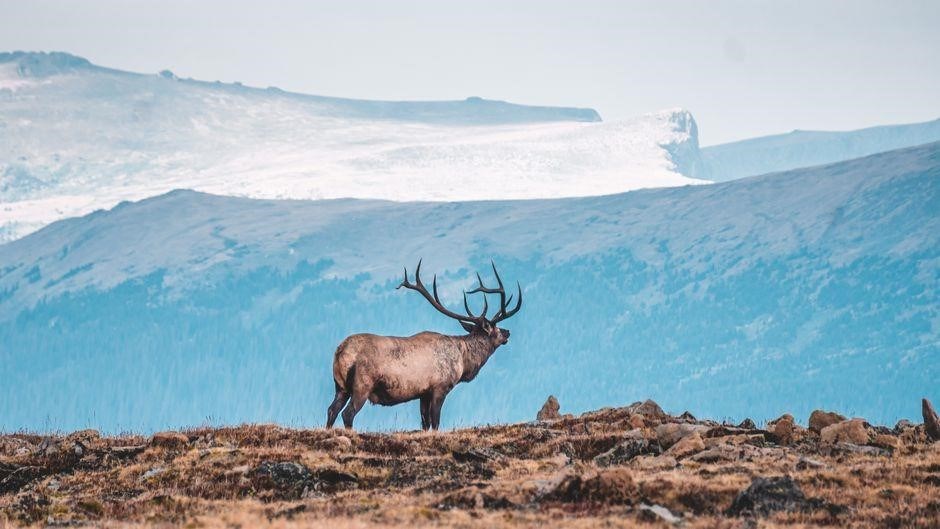
Choosing the right region for guided elk hunting depends on terrain, elk density, and access. Western states like Wyoming, Montana, and Colorado offer public lands with high quotas, while the Pacific Northwest provides lush valleys. Check rules, season windows, and guide reputation to match budget.Choose a guide with success.
Regulations and Permits
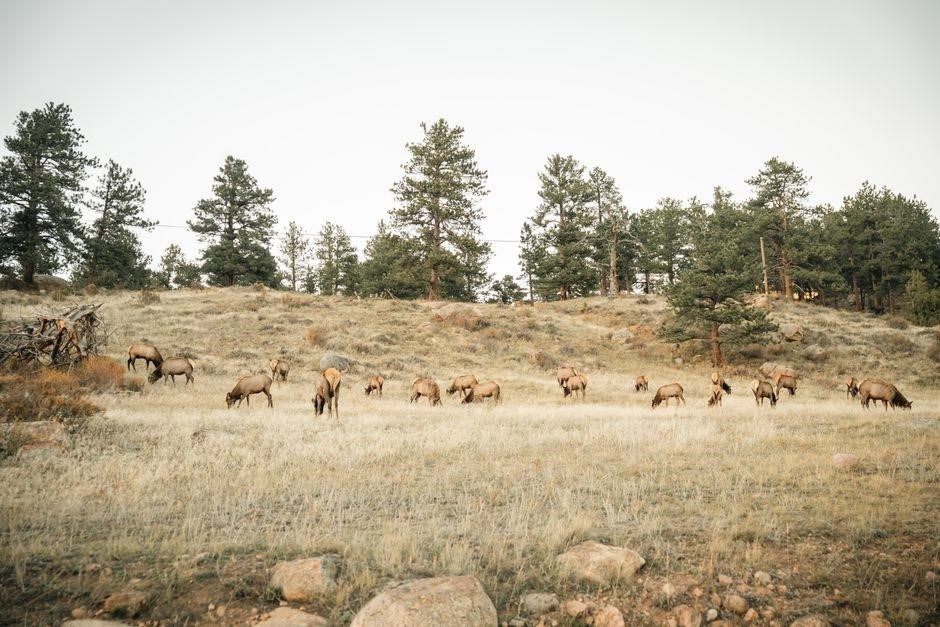
Guided elk hunting requires a careful review of state‑specific regulations and the proper permits. Most western states issue separate tags for guided hunts, often with higher quotas to support local guide services. Hunters must obtain a valid hunting license, a guided‑hunt permit, and, in some jurisdictions, a special elk tag that limits the number of animals harvested per season. The permit application process typically involves an online portal or a local game commission office, and deadlines can vary from early spring to late summer. Non‑resident hunters may face higher fees and stricter quota limits, while residents often benefit from reduced rates and broader access to public lands. It is essential to verify that the guide’s license is current and that the hunt complies with the state’s timing restrictions, such as early‑season and late‑season windows. Additionally, many states require hunters to complete a hunter education course, which can be completed online or in person. Failure to meet these requirements can result in fines, loss of license, or denial of the hunt. Always confirm the validity of permits before departure, and keep copies of all documentation on the trail to avoid legal complications.
Regulations vary by state, and hunters should consult the latest guidelines from each game commission. Some regions impose seasonal restrictions, such as early‑season or late‑season windows, and may require special permits for guided hunts. Hunters must also be aware of wildlife conservation rules, including protected areas and endangered species regulations. Staying informed and compliant ensures a successful, ethical hunt and protects the future of elk populations. Respect wildlife, habitat, care!
Selecting an Experienced Guide
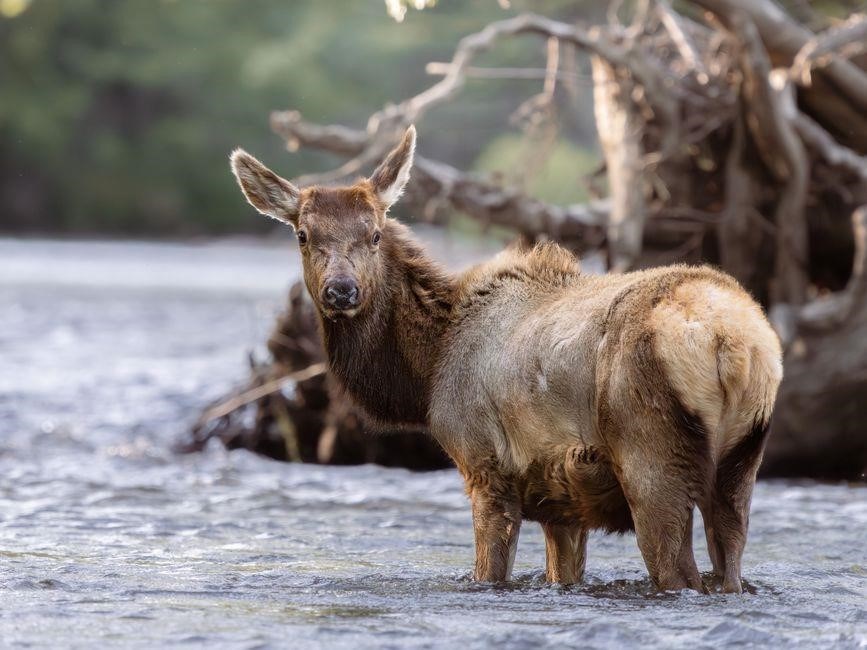
Choosing a seasoned guide is crucial for a guided elk hunting adventure. A reputable guide brings local knowledge, proven track record, and the ability to navigate complex regulations. Look for guides who hold current state licenses, have earned certifications from recognized associations such as the National Association of Professional Outfitters (NAPO) or the National Elk Foundation, and can provide references from previous clients. Their experience should include familiarity with the region’s terrain, elk behavior patterns, and optimal hunting windows. Many top guides offer complimentary pre‑hunt consultations, allowing you to discuss goals, budget, and special requirements. During this meeting, assess their communication style, safety protocols, and equipment quality. A guide who emphasizes safety, respects wildlife, and follows ethical hunting practices will enhance your experience and increase your chances of a successful harvest. Verify that the guide’s insurance covers you and the animals, and that they maintain proper permits for the hunt. A well‑qualified guide ensures compliance with all state regulations, ultimately protecting the future of elk populations.
Beyond qualifications, consider the guide’s equipment and support services. A professional outfit will provide high‑quality rifles or bows, reliable tracking gear, and a well‑maintained vehicle for transporting you and your gear across rugged terrain. They should also offer field dressing assistance, transportation of the harvested elk to your destination, and post‑hunt support such as processing or shipping. Many guides partner with local processors to ensure the meat is handled hygienically and delivered promptly. When evaluating cost, compare mid‑range versus high‑end packages; the latter often include premium accommodations, gourmet meals, and extended hunting days. However, the most important factor remains the guide’s ability to read elk cues, anticipate movement, and execute a clean, ethical shot. A skilled guide will also educate you on elk biology, hunting ethics, and conservation efforts, turning the hunt into a learning experience. By selecting an experienced guide, you invest in safety, success, and stewardship of the wildlife you cherish. Their expertise ensures a memorable trophy.
Gear and Preparation
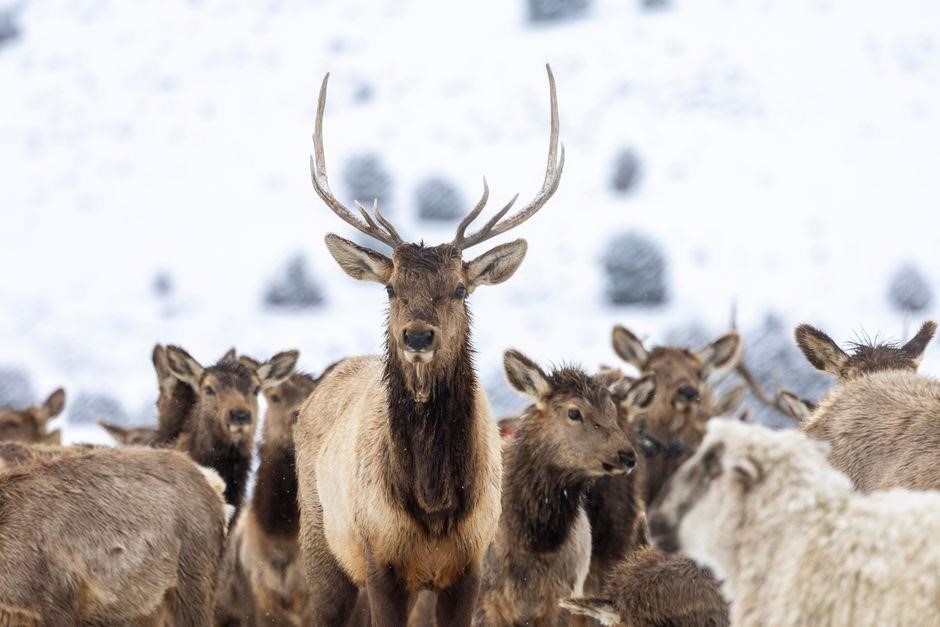
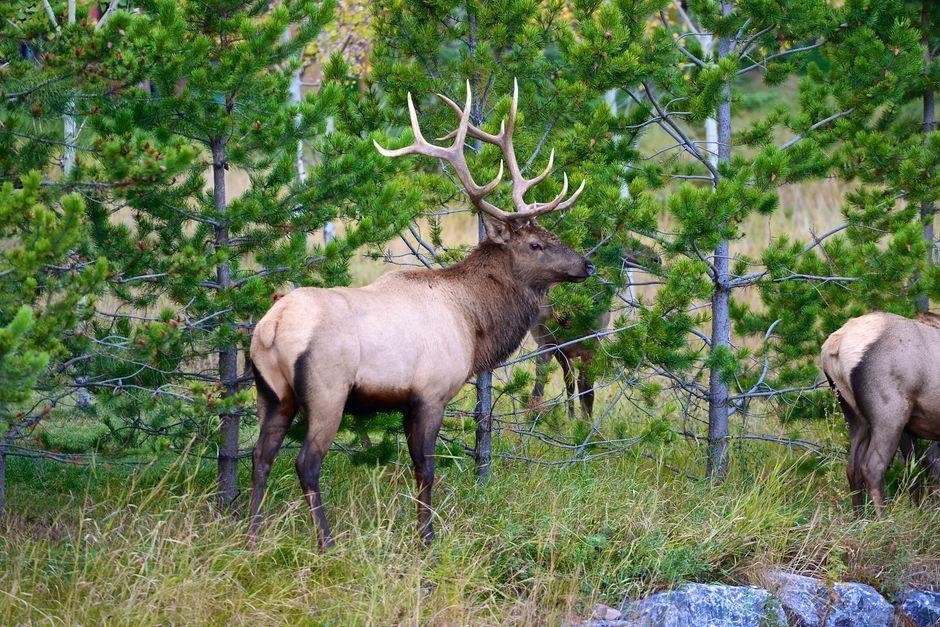
Pack a lightweight, weather‑proof jacket, sturdy boots, a high‑capacity rifle scope, a reliable GPS, and a first‑aid kit. Bring a durable field knife, a portable stove, and a hydration pack. Practice shooting drills, review elk behavior, and study terrain maps before the trip. Ensure proper licensing,carry a map,and respect wildlife!
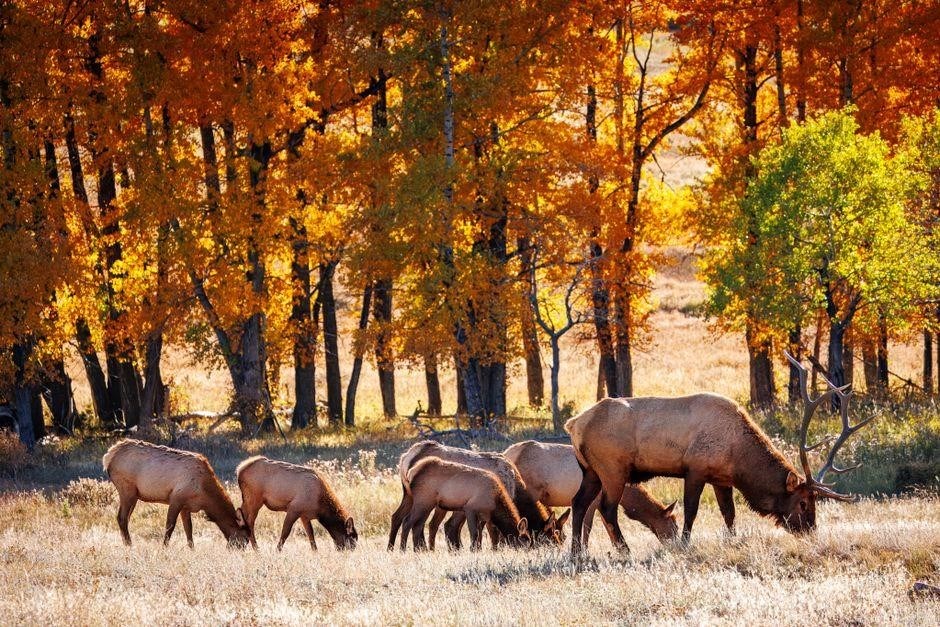
Popular States for Elk Hunting
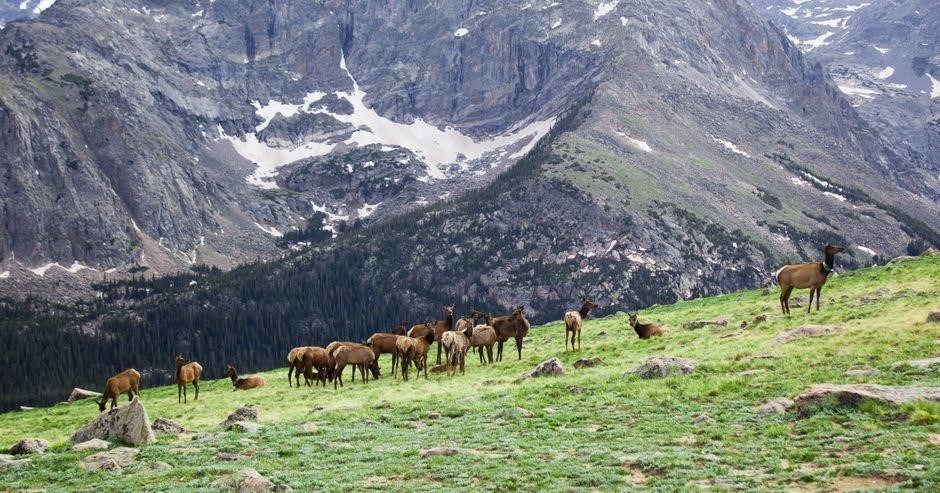
Guided elk hunting thrives in states that combine abundant wildlife, accessible public lands, and well‑established guide networks. Wyoming’s Wind River Range offers steep, rugged terrain and a high quota of mature bulls, making it a top choice for seasoned hunters. Montana’s Glacier National Park and the Bitterroot Valley provide dense stands of elk in scenic valleys, with many guides offering multi‑day treks that blend hunting with backcountry exploration. Colorado’s Rocky Mountain National Park and the San Juan Mountains boast year‑round hunting opportunities, and the state’s open‑season policies allow for flexible scheduling. The Pacific Northwest, especially Washington’s Olympic Peninsula and Oregon’s Wallowa‑Whitman Wilderness, delivers lush, moist landscapes that favor elk migration patterns; local guides excel in stealth and tracking, often pairing archery and rifle options. New Mexico’s Santa Fe National Forest and the Jemez Mountains offer a mix of high‑elevation grazing and low‑land winter hunts, appealing to hunters who prefer a quieter, less crowded experience. Finally, the Great Lakes region, particularly Michigan’s Upper Peninsula and Wisconsin’s northern forests, provides reliable elk populations in mixed hardwood stands, with many guides offering seasonal tours that emphasize conservation and ethical hunting practices. Each state’s unique topography, climate, and regulatory framework shapes the hunting experience, so choosing a guide with local expertise ensures the best chance of a successful, memorable guided elk hunting adventure.
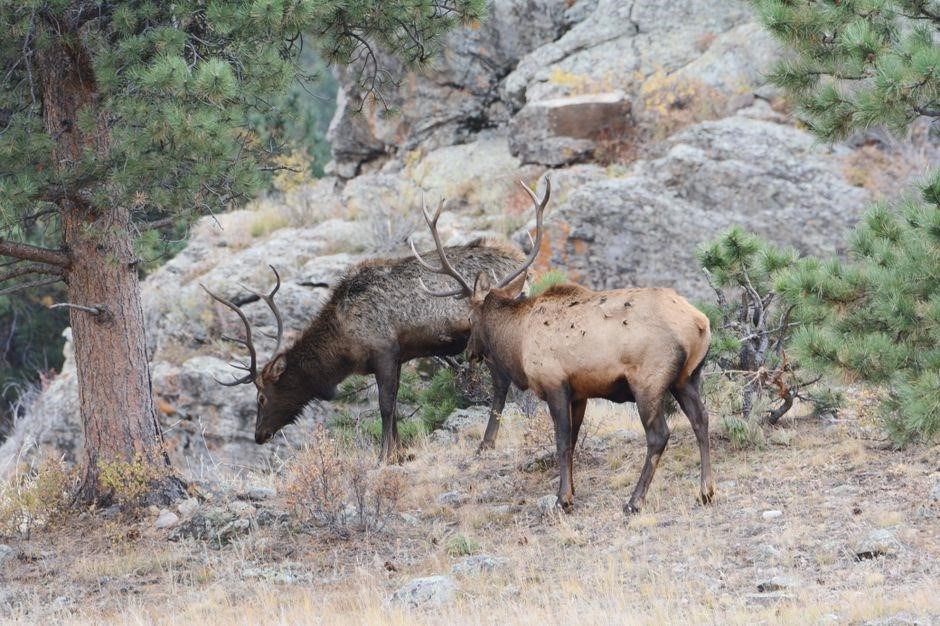
Idaho’s Sawtooth National Forest and Utah’s Wasatch Range offer rugged terrain and abundant elk, with guides skilled in both rifle and bow; North Dakota’s plains provide approachable bulls for beginners, while South Dakota’s Badlands and Black Hills mix open grasslands and forested areas, offering day trips and multi‑day hunts that emphasize skill and conservation. These states, though less known than the western powerhouses, still provide memorable guided elk hunting experiences tailored to skill level and budget. Guides emphasize hunting practices and wildlife stewardship throughout the trip!!!!!
Seasonal Timing and Weather Considerations
Guided elk hunting relies on precise seasonal windows that match elk rutting patterns. In the West, the main season runs from early September to late October, with peak activity in the first two weeks of September. Many guides offer “late‑season” trips into November, especially in high‑elevation areas where early snowfall preserves cover. In the Pacific Northwest, the season often starts in late August and can extend into early December, allowing hunters to experience the shift from summer grazing to winter stalking. Weather is a critical factor: early fall brings cooler temperatures and shorter days, sharpening bull behavior but also increasing the risk of sudden storms and fog. Guides in Colorado advise packing layered clothing, waterproof boots, and a reliable GPS unit, as wind and temperature can shift rapidly. In Montana and Wyoming, early snowfall can limit access, so guides recommend snow‑shoes or skis. Conversely, in the Midwest, the season usually ends in early October, but unpredictable rain or hail can muddy tracks and reduce visibility. Guides emphasize checking local forecasts daily and adjusting the hunt plan accordingly. Timing also affects elk behavior: the first week of the rut sees bulls aggressively marking territories, making them easier to locate but more dangerous. After the peak, bulls become less active, shifting the hunt to stalking and patience. Understanding these nuances helps hunters and guides coordinate strategies that maximize success while ensuring safety. Seasonal variations influence food, affecting bull condition. Many states allow “early‑season” or “late‑season” permits at lower cost, but these periods often have stricter quotas and require more experienced guides. Hunters should consult local regulations and work with a guide familiar with the state’s seasonal rules to optimize their guided elk hunting experience!!
Permit Types and Acquisition Process
Permit acquisition for guided elk hunting varies by state, but most jurisdictions require a general elk hunting license, a specific elk tag, and a guide service permit. Non‑resident hunters usually buy a “non‑resident elk tag” that grants access to public lands, while residents use a resident tag or a special “non‑resident” tag if traveling from another state. States also issue a “guide service permit” that authorizes the guide to conduct the hunt on the hunter’s behalf. The acquisition process typically starts online through the state wildlife agency’s portal, where hunters submit proof of age, a valid hunting license, and payment for the tag. After the tag is issued, the hunter contacts the guide company to secure a guide service permit. This permit is tied to the specific hunting location and season, and may require the hunter to provide a copy of the tag, a valid ID, and a signed agreement. Some states, such as Wyoming and Montana, allow the guide service permit to be purchased directly from the guide company, which then submits the paperwork to the state. In other states, the hunter must first obtain the tag, then forward the tag number to the guide, who will apply for the service permit on the hunter’s behalf. The process can take several weeks, especially during peak season, so early planning is essential. Hunters should also be aware of quota limits; many states impose a maximum number of tags per region, and non‑resident hunters often face stricter limits. Failure to secure the correct permits can result in fines, confiscation of the animal, or loss of future hunting privileges. Guides provide real‑time updates via satellite phone, keeping hunters informed about weather and elk movements daily.
Elk quotas are set annually by each state’s wildlife agency to balance population health with hunter demand. Most states issue a fixed number of elk tags per region, with non‑resident hunters often receiving a smaller share. For guided hunts, the guide’s service permit must match the exact quota for the chosen area, and any surplus tags are typically transferred to the guide company for resale. Seasonal limits are tightly regulated; the primary season usually runs from early October to mid‑December, with a secondary “late‑season” window in late January to early February. Hunters must register their tags before the season opens, and the guide company will coordinate the exact dates to align with the hunter’s schedule. Timing is critical because elk herds shift daily, and the best hunting days often fall within the first week of the season when herds still moving through the high‑elevation ranges. Weather conditions—such as snow depth, wind chill, and visibility—can also dictate the optimal hunting window. They emphasize ethical hunting, proper field dressing, and respect for wildlife regulations. All tips fit season. Failure to adhere to these regulations can result in tag cancellation, fines, and loss of future hunting privileges. By planning ahead and working closely with a reputable guide, hunters can navigate these constraints and maximize their chances of a successful guided elk hunt. Guides also teach terrain navigation and hunting practices daily.
Guide Qualifications and Certifications
Choosing a qualified guide is essential for a successful guided elk hunting experience. Reputable guides typically hold a combination of state‑issued hunting licenses, certified wilderness first aid credentials, and proven track records of successful harvests. Many agencies require guides to complete a formal guide training program, such as the National Association of Professional Foresters (NAPF) certification or the North American Hunting Guide Association (NAHGA) accreditation. These programs cover advanced tracking, terrain navigation, animal behavior, and ethical hunting practices. In addition to formal certifications, experienced guides often possess a deep knowledge of local elk population dynamics, including migration patterns, preferred feeding areas, and seasonal timing. They can interpret subtle signs such as broken twigs, fresh droppings, or scent cues to locate herds. Guides also maintain up‑to‑date knowledge of state regulations, including quota limits, season dates, and tag requirements, ensuring compliance for both the hunter and the guide’s business. Many top guides hold additional qualifications such as wilderness survival training, advanced shooting or archery courses, and first‑aid certifications from recognized organizations like the American Red Cross or Wilderness Medical Society. These credentials not only demonstrate professionalism but also enhance safety on the trail. Hunters should verify a guide’s credentials by requesting copies of licenses, certificates, and references from previous clients. A reputable guide will also provide a detailed itinerary, including scouting reports, expected weather conditions, and contingency plans for emergencies. By selecting a guide with comprehensive qualifications and certifications, hunters can enjoy a safer, more efficient, and ethically responsible guided elk hunting adventure. Such thorough preparation ensures hunters receive the best possible guidance and respect for wildlife. Clients often report higher success rates when guided by professionals who prioritize safety, ethics, and respect for wildlife and sustainable practices.
Cost Comparison: Mid-Range vs. High-End Hunts
Mid‑range guided elk hunts typically cost between $3,000 and $6,000 per hunter, covering travel, lodging, meals, and a standard guide fee. These packages often include a single day of tracking, a basic field dressing session, and a modest trophy package. The premium price reflects exclusive access to remote, high‑density elk stands, luxury accommodations, personal vehicle transport, and advanced tracking techniques. Guides on high‑end trips bring specialists such as a licensed bowhunter or a wildlife biologist. The cost difference also covers higher quality gear: top‑tier firearms, custom‑fitted rifles, and premium archery equipment. Food and beverage options on high‑end trips tend to be gourmet, with locally sourced ingredients and full‑service catering. Insurance coverage is typically more comprehensive, including higher liability limits and travel insurance. Mid‑range packages may offer basic travel insurance and a standard liability waiver, while high‑end packages often include full coverage for lost gear, vehicle damage, and medical evacuation. When evaluating cost, hunters should consider the value of additional services such as pre‑hunt training, post‑hunt processing, and trophy mounting. Some mid‑range guides provide optional add‑ons, but the core experience remains focused on efficient tracking and a single successful harvest. High‑end hunts emphasize a holistic experience, with multiple days of tracking, extended field dressing, and a curated trophy presentation. Ultimately, the choice depends on budget, desired level of comfort, and the importance of exclusive access to prime elk habitat.
In addition, high‑end hunts often include a dedicated transport vehicle, allowing hunters to travel directly to remote stands without the need for a shared shuttle. The guide’s vehicle is typically a high‑performance SUV or a 4×4 equipped with a roof rack for gear. Mid‑range packages may rely on shared transportation or require hunters to arrange their own travel. The cost of fuel, lodging, and meals is reflected in the overall price. Hunters on high‑end trips also receive a personalized itinerary that accounts for weather forecasts, elk movement patterns, and optimal hunting windows. This level of planning reduces wasted time and increases the probability of a successful harvest. Finally, high‑end guides often provide post‑hunt support, such as arranging trophy mounting, shipping the carcass to a processing facility, and handling all necessary paperwork. Mid‑range guides may offer these services for an additional fee, but they are not included in the base price. Thus, the price difference can be justified by the added convenience, expertise, and comprehensive service package that high‑end hunts deliver plus bonus! ok
Firearms vs. Archery: Equipment Choices
Choosing the right weapon for guided elk hunting hinges on state regulations, personal skill, and the desired hunting experience. In most Western public lands, a .30‑06 or .308 rifle chambered in 1500–1700‑grain bullets is the standard for firearms, offering a balance of power, recoil, and accuracy. Modern bolt‑action designs such as the Remington 700 or the Tikka T3x provide reliable action and modularity, while semi‑automatic options like the Ruger 10‑gram or the FN SCAR‑H offer higher follow‑up rates for dense stands.
Archery enthusiasts turn to high‑end bows such as the Hoyt 12‑point or the Martin 12‑point, paired with 28‑to‑30‑gram arrows and a 1.5‑to‑2.0‑gram draw weight. The use of a 10‑point or 12‑point frame allows for a stable platform, and the addition of a cam system reduces draw weight at full draw, improving accuracy. Modern arrow shafts made of carbon or aluminum‑fiber composites reduce weight and increase stiffness, enhancing flight stability. For guided hunts, many archers opt for a 24‑to‑28‑inch draw length to accommodate a variety of body types while maintaining consistency.
Guides often recommend a hybrid approach: a rifle for long‑range shots and a bow for close‑quarters or stealth hunts. Regulations in states like Wyoming and Colorado allow both weapons, but hunters must carry a valid permit for each. Additionally, many guides provide a brief training session on proper stance, sight alignment, and shot placement to maximize the chances of a clean kill. Whether you choose firearms or archery, the key is to practice extensively, understand the terrain, and respect the ethical standards that govern elk hunting.
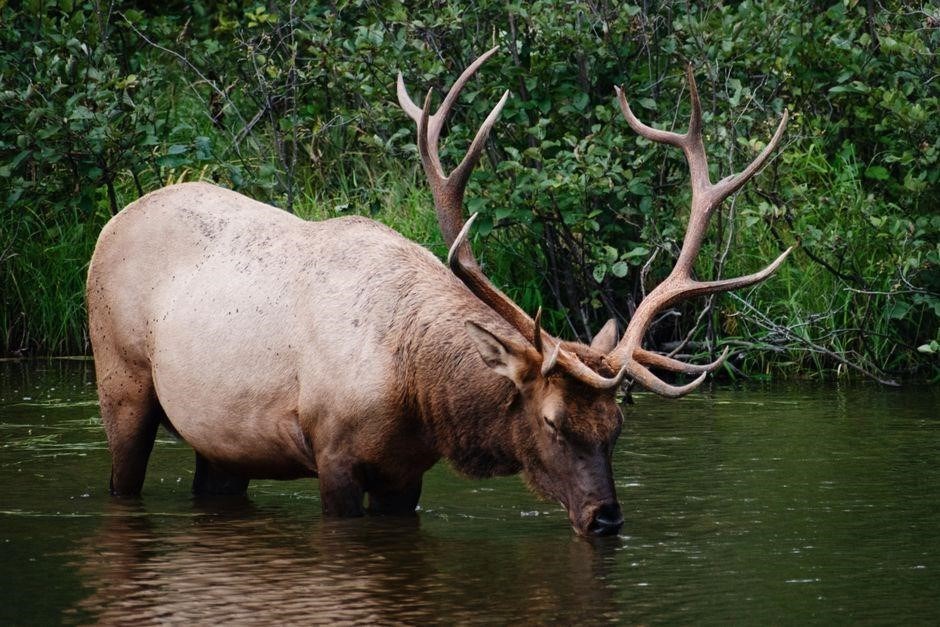
A well‑planned hunt ensures safety, respect and big results!
Leave a Reply
You must be logged in to post a comment.