
Baker Street Alto Sax Sheet Music PDF: A Comprehensive Guide
Baker Street’s iconic saxophone solo, transcribed for alto sax, is readily available as a PDF. Numerous sources offer both free and paid sheet music options, catering to diverse skill levels.
Mutopia Project and similar archives provide free downloads, while commercial websites offer more detailed arrangements. Finding the right PDF ensures a rewarding musical experience.
Understanding the Popularity of Baker Street for Saxophone
Baker Street, released in 1974 by Gerry Rafferty, achieved immense popularity, largely fueled by its unforgettable saxophone solo. This instrumental hook instantly captivates listeners, elevating the song beyond a typical pop ballad and cementing its place in musical history. The solo’s emotive quality and melodic construction resonate deeply, making it a favorite among both musicians and casual fans.

The saxophone’s prominence in Baker Street significantly contributed to a surge in interest in the instrument itself. Many aspiring saxophonists were inspired to pick up the horn after hearing the song, driving demand for sheet music and tutorials. The solo’s accessibility, despite its technical nuances, makes it an appealing challenge for intermediate players.
The enduring appeal of Baker Street is also linked to its association with jazz influences, particularly the style of alto saxophonist Paul Desmond. The solo’s lyrical phrasing and sophisticated harmonies echo Desmond’s signature sound, adding a layer of depth and artistry. Consequently, the search for Baker Street alto sax sheet music PDF remains consistently high, demonstrating the song’s lasting cultural impact and its continued relevance within the saxophone community.
Availability of Sheet Music in PDF Format

Baker Street alto sax sheet music PDF versions are widely accessible online, catering to a broad range of musicians. Numerous websites specialize in providing downloadable sheet music, offering varying levels of accuracy and arrangement quality. The PDF format’s convenience allows for easy printing and viewing on multiple devices, making it a preferred choice for saxophonists.

Free options, often found on platforms like the Mutopia Project and open sheet music libraries, provide basic transcriptions suitable for practice. However, these may lack detailed annotations or accurate interpretations of the original solo. Commercial websites, conversely, typically offer professionally arranged PDFs with higher fidelity and additional features like backing tracks.
The availability extends beyond standard notation; some PDFs include fingerings to assist with challenging passages. Furthermore, arrangements exist for different saxophone types – alto, tenor, and even flute – broadening the accessibility of the music. Searching online using keywords like “Baker Street saxophone solo PDF” quickly yields numerous results, though careful evaluation of source reliability is recommended to ensure accuracy and legality.
Free vs. Paid Sheet Music Options
When seeking Baker Street alto sax sheet music in PDF format, a key decision lies between free and paid options. Free sheet music, readily available on sites like Mutopia Project and various open-source libraries, offers an accessible entry point for learning the iconic solo. However, these versions often prioritize basic notation, potentially lacking the nuances and accuracy found in professionally arranged scores.

Paid sheet music, typically sourced from commercial websites, provides a more refined experience. These arrangements often include detailed fingerings, dynamic markings, and accurate transcriptions of the original recording. The investment ensures a higher-quality learning resource, minimizing errors and facilitating a more authentic performance.
The choice depends on individual needs and skill level. Beginners might benefit from the affordability of free options, while experienced saxophonists may prefer the precision and completeness of paid arrangements. Consider the desired level of detail, accuracy, and supplementary materials when making your decision. Ultimately, both avenues provide access to this beloved saxophone piece.
Sources for Free Baker Street Alto Sax Sheet Music
Several online platforms offer free Baker Street alto sax sheet music in PDF format, providing accessible resources for musicians. The Mutopia Project stands out as a prominent source, dedicated to providing public domain sheet music, including arrangements suitable for saxophone. Open library archives also frequently host user-submitted transcriptions, though quality can vary.
Various saxophone-focused websites and forums often share free sheet music as community contributions. Searching online using keywords like “Baker Street alto sax free sheet music” will reveal numerous results, but careful evaluation is crucial. Always assess the accuracy and completeness of the transcription before relying on it for practice.
While convenient, free sources may lack the polish of professionally arranged scores. Expect potential inaccuracies or omissions. Websites offering dance or disco house arrangements sometimes include saxophone parts, but these may be simplified or altered. Remember to verify the authenticity and suitability of any free sheet music before use.
Mutopia Project and Similar Free Sheet Music Archives
The Mutopia Project is a cornerstone for accessing free Baker Street alto sax sheet music PDF versions, specializing in public domain compositions. It provides a reliable source for legally downloadable scores, though availability can fluctuate. Similar archives, like the International Music Score Library Project (IMSLP), also occasionally host saxophone transcriptions, expanding the options for free access.
These archives operate on a collaborative model, relying on contributions from musicians and transcribers. Consequently, the quality of transcriptions can vary. While many are accurate and well-formatted, some may contain errors or require adjustments. It’s essential to preview the score carefully before committing to practice.
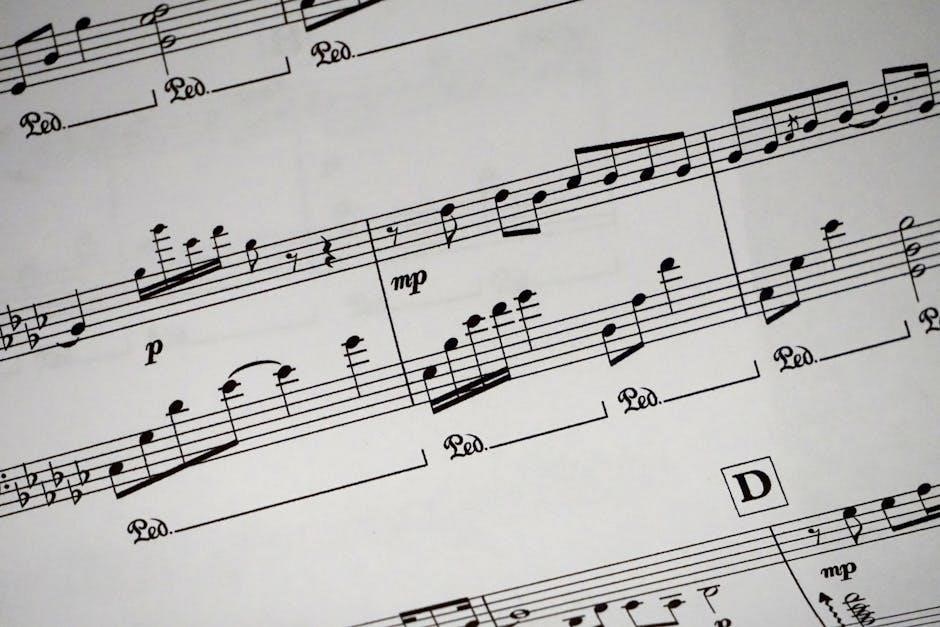
Beyond Mutopia and IMSLP, smaller, niche websites dedicated to saxophone resources sometimes offer free sheet music. However, verifying the legitimacy and accuracy of these sources is crucial. Always prioritize sites with clear copyright information and a reputation for quality transcriptions. Remember to respect copyright laws when downloading and using free sheet music.
Commercial Websites Offering Baker Street Sheet Music
Several commercial websites specialize in providing high-quality Baker Street alto sax sheet music PDF arrangements, often surpassing free options in accuracy and detail. Musicnotes.com and Sheet Music Plus are prominent examples, offering officially licensed transcriptions for various skill levels. These platforms typically feature multiple arrangements, including solo versions and those tailored for ensemble performance.
Purchasing sheet music from these sites ensures a professionally prepared score, often including detailed fingerings and dynamic markings. Many offer preview pages, allowing you to assess the arrangement’s suitability before buying. Furthermore, commercial sites frequently provide accompanying audio tracks for practice, enhancing the learning experience.
While requiring a financial investment, the benefits of commercial sheet music often outweigh the cost. The accuracy and clarity of these arrangements can significantly accelerate learning and improve performance. Consider exploring options that include backing tracks for a more immersive practice session, and always check user reviews for insights into arrangement quality.
Sheet Music Difficulty Level: Intermediate Assessment
Assessing the difficulty of Baker Street alto sax sheet music PDF arrangements reveals a generally intermediate level, though variations exist. The solo’s melodic lines, while memorable, demand a solid understanding of saxophone technique, including consistent tone production and accurate intonation. Key fingerings and navigating the solo’s range require practice and dexterity.
Intermediate players should possess proficiency in scales, arpeggios, and basic improvisation concepts to effectively tackle this piece. The tempo and rhythmic complexity also contribute to the challenge, necessitating precise timing and a strong sense of groove. Players new to jazz phrasing may find the stylistic nuances demanding.
Beginners might struggle with the solo’s extended range and rapid passages. However, simplified arrangements are available, offering a stepping stone for less experienced saxophonists. Ultimately, successful performance hinges on dedicated practice, a good ear, and a willingness to refine technique.
Analyzing the Alto Saxophone Solo Transcription
A detailed analysis of Baker Street alto sax sheet music PDF transcriptions reveals a masterful blend of melodic phrasing and harmonic sophistication. The solo isn’t simply a collection of notes; it’s a carefully constructed narrative, building in intensity and emotional impact. Examining the notation highlights the use of chromaticism and subtle rhythmic variations that contribute to its distinctive sound.
Transcriptions accurately capture the original recording’s nuances, including bends, slides, and vibrato – elements crucial for replicating the solo’s expressive quality. Studying the sheet music allows players to dissect the solo’s structure, identifying recurring motifs and harmonic patterns. Understanding these elements facilitates memorization and improvisation.
Furthermore, analyzing the transcription reveals the solo’s connection to jazz traditions, particularly the influence of players like Paul Desmond. Careful study of the notation unlocks the secrets behind this iconic saxophone performance, enabling musicians to appreciate its artistry and technical brilliance.

Key Fingerings for the Baker Street Saxophone Solo
Mastering the Baker Street alto saxophone solo hinges on efficient fingerings. The sheet music PDF reveals several challenging passages demanding precise technique. Key areas require swift transitions between notes, often involving the use of the octave key and side keys for smoother melodic lines.
Specific fingerings are crucial for navigating the solo’s chromatic runs and rapid arpeggios. Players should prioritize minimizing hand movement and maximizing finger independence. Utilizing alternate fingerings can simplify complex passages and improve playability. Resources offering fingering charts specifically for this solo are invaluable;

Practicing slowly with a metronome, focusing on accurate fingering, is essential. Breaking down difficult sections into smaller phrases allows for focused repetition. Familiarity with common alto saxophone fingerings, combined with dedicated practice, will unlock the technical demands of this iconic solo, as shown in available PDF resources.
Backing Tracks for Practice: Alto, Tenor, and Flute
Effective practice of the Baker Street saxophone solo relies heavily on utilizing backing tracks. These tracks, available for alto, tenor saxophone, and even flute, provide a realistic ensemble context, crucial for developing timing and intonation. Numerous online platforms offer these resources, often synchronized with the sheet music PDF.
Practicing with a backing track allows saxophonists to internalize the harmonic structure and rhythmic feel of the original song. It simulates a band setting, enhancing musicality and expression. Different tempos can be selected to gradually increase the difficulty, building confidence and fluency.
Furthermore, exploring backing tracks tailored for different instruments – tenor sax or flute – offers a unique perspective on the solo’s interplay with other melodic lines. This broadens musical understanding and encourages creative interpretation. Finding high-quality backing tracks alongside the sheet music PDF is key to successful practice.
Electro House Remixes and Sheet Music Availability
The enduring popularity of Baker Street has spurred numerous Electro House remixes, often featuring prominent saxophone lines. Interestingly, sheet music specifically tailored for these remixes is becoming increasingly available, though it’s less common than the original’s arrangements. These remixes present a modern take on the classic, demanding adaptability from saxophonists.
Finding sheet music for Electro House versions often requires searching specialized online music stores or directly contacting remix artists. The arrangements typically incorporate altered harmonies and rhythmic patterns, challenging players to navigate a different musical landscape. These versions frequently emphasize energetic improvisation and contemporary phrasing.
While the original alto sax sheet music PDF remains the most sought-after resource, exploring remixes expands a player’s stylistic range. The availability of sheet music for these remixes, though limited, provides a valuable opportunity to blend classic melodies with modern electronic music production techniques, offering a fresh perspective on a timeless tune.
The Role of Paul Desmond and Alto Saxophone Jazz Influence
While Jerry Rafferty’s Baker Street doesn’t directly emulate Paul Desmond’s style, understanding Desmond’s influence on alto saxophone jazz provides context for appreciating the song’s melodic sensibility. Desmond, known for his lyrical playing and distinctive tone with the Dave Brubeck Quartet, significantly shaped the instrument’s role in popular music.
The alto saxophone’s prominence in jazz, cultivated by figures like Desmond, created a receptive audience for instrumental pieces like Baker Street. The song’s saxophone solo, though rooted in pop, benefits from the instrument’s established jazz associations, lending it sophistication and emotional depth.
Desmond’s emphasis on melodic clarity and harmonic nuance resonates subtly within the Baker Street solo; Though not a jazz composition, the piece’s success demonstrates the alto saxophone’s capacity to convey complex emotions within a popular song structure. Exploring Desmond’s work enhances appreciation for the alto sax’s versatility and its enduring appeal, even within genres beyond traditional jazz.
Historical Context of Baker Street (1974) and Vinyl Releases
Released in 1974, Jerry Rafferty’s “Baker Street” arrived during a pivotal era for both popular music and vinyl record production. The song’s immediate success coincided with the peak of vinyl’s dominance as the primary music format. Original vinyl releases, often featuring gatefold covers, are now collector’s items, reflecting the song’s enduring legacy.
The demand for “Baker Street” fueled numerous vinyl pressings, with variations in label and packaging. These vintage releases often included detailed liner notes and artwork, enhancing the listening experience. The availability of sheet music, including transcriptions for alto saxophone, likely increased alongside the song’s vinyl popularity.
The song’s enduring appeal has led to continued interest in both the original vinyl recordings and subsequent sheet music editions. Finding well-preserved vinyl copies, alongside accurate alto sax transcriptions, allows musicians and enthusiasts to connect with the song’s historical significance and musical artistry. The combination of vinyl’s tactile appeal and the saxophone’s emotive power continues to captivate audiences today.
Finding Sheet Music for Different Instrumentations
While alto saxophone sheet music for “Baker Street” is the most commonly sought-after, arrangements exist for various instruments. Musicians can find versions tailored for tenor saxophone, flute, and even piano, expanding the song’s accessibility. Several online platforms and music stores offer these diverse instrumentations, often in PDF format.
The availability of sheet music extends beyond traditional notation. Some resources provide backing tracks specifically designed for alto, tenor, and flute, enabling soloists to practice with accompaniment. Furthermore, electro house remixes of “Baker Street” sometimes include accompanying sheet music, blending classic melodies with modern electronic sounds.
When searching for sheet music, consider the arrangement’s complexity and accuracy. Different transcriptions may vary in their faithfulness to the original saxophone solo. Exploring multiple options ensures you find a version that suits your skill level and musical preferences. Websites like Mutopia Project and commercial retailers are excellent starting points for discovering sheet music across various instrumentations.
Understanding Sheet Music Notation for Saxophone
Decoding saxophone sheet music, particularly for a piece like “Baker Street,” requires familiarity with standard musical notation and saxophone-specific conventions. Key elements include the treble clef, time signature, and note values, dictating rhythm and pitch. Accidentals – sharps, flats, and naturals – alter notes, crucial for accurately reproducing the melody.
Saxophone sheet music often incorporates symbols indicating articulation, such as staccato (short, detached notes) and legato (smooth, connected notes). Slurs connect notes within a phrase, while ties extend a note’s duration. Understanding these markings is vital for conveying the intended musical expression.
Transposition is also important; alto saxophone is a transposing instrument. Sheet music is written a major sixth higher than the concert pitch. Familiarizing yourself with common fingerings, as demonstrated in available fingering charts for “Baker Street,” complements notation comprehension. Mastering these fundamentals unlocks the ability to confidently interpret and perform the iconic saxophone solo.
Tips for Learning the Baker Street Saxophone Solo
Embarking on learning the “Baker Street” alto saxophone solo from a PDF requires a strategic approach. Begin by breaking down the solo into smaller, manageable sections. Slow practice with a metronome is crucial for developing accuracy and timing. Utilize backing tracks – available for alto, tenor, and flute – to internalize the harmonic context and groove.
Focus on mastering key fingerings, referencing available fingering charts. Pay close attention to articulation and phrasing, mirroring the nuances of the original recording. Don’t hesitate to loop challenging passages repeatedly until comfortable. Consider utilizing online tutorials and saxophone lessons for personalized guidance.
Regular practice, even in short bursts, is more effective than infrequent long sessions. Record yourself playing and critically evaluate your performance. Remember, patience and persistence are key to successfully learning this iconic solo. The availability of the PDF sheet music provides a solid foundation for your musical journey.

Resources for Saxophone Lessons and Tutorials
Successfully navigating the “Baker Street” alto saxophone solo, aided by readily available PDF sheet music, often benefits from supplemental learning resources. Numerous online platforms offer comprehensive saxophone lessons, catering to all skill levels. Websites and YouTube channels provide tutorials specifically focused on jazz improvisation and saxophone technique;

Consider exploring platforms like TakeLessons or Fiverr for personalized instruction from experienced saxophone teachers. Many instructors offer remote lessons, providing flexibility and convenience. Free resources, such as instructional videos on YouTube, can supplement formal lessons and address specific challenges encountered while learning the solo.
Don’t overlook the value of online forums and communities dedicated to saxophone players. These platforms offer opportunities to connect with fellow musicians, share tips, and receive feedback. Utilizing these resources alongside your sheet music PDF will accelerate your progress and enhance your overall musical understanding.
Navigating Twitch and Online Music Platforms (Related Searches)
Interestingly, searches for “Baker Street alto sax sheet music PDF” frequently lead users to explore related content on platforms like Twitch and various online music communities. Twitch, primarily a live streaming service, hosts musicians who often perform saxophone covers and offer impromptu lessons, potentially showcasing the song. Users search for ways to access Twitch on mobile devices or download the desktop client to view these streams.
Beyond Twitch, online music platforms reveal a broader interest in the song’s arrangements. Searches reveal inquiries about accessing the song’s Electro House remixes, often accompanied by sheet music for alto, tenor saxophone, and flute. These platforms also demonstrate a demand for backing tracks to practice with.
Furthermore, related searches indicate a curiosity about the historical context of the song and its vinyl releases. This suggests a desire for a deeper understanding of the music beyond simply learning the saxophone solo, highlighting the song’s enduring appeal.
Leave a Reply
You must be logged in to post a comment.