Essential oils, concentrated plant extracts, offer diverse benefits – from stress reduction to fungal treatment and improved sleep. Centuries of use
support health and well-being, with readily available resources like PDF guides detailing oils and applications.
What are Essential Oils?
Essential oils are highly concentrated, volatile aromatic compounds extracted from various plant parts – flowers, leaves, stems, roots, or bark. These aren’t simply “oils” in the traditional sense; they’re potent, complex mixtures of chemical constituents that give plants their distinctive scents and contribute to their therapeutic properties.
The extraction process, often distillation, captures the plant’s essence. These oils are utilized in aromatherapy and topical applications for a wide range of conditions. Numerous resources, including comprehensive PDF guides, detail specific oils – lavender for relaxation, tea tree for antiseptic purposes, peppermint for energy, and eucalyptus for respiratory relief.
Understanding their concentrated nature is crucial; they require dilution with carrier oils for safe topical use. Exploring available PDF resources can provide detailed information on individual oil profiles and safe usage guidelines.
History of Essential Oil Use
The practice of utilizing aromatic plants for healing and well-being dates back millennia. Evidence suggests ancient Egyptians employed essential oils in embalming and medicinal practices, while traditional Chinese and Ayurvedic medicine systems incorporated aromatic plants for centuries. The ancient Greeks and Romans also recognized the therapeutic benefits, utilizing them in baths, massages, and perfumes.
The term “essential oil” itself emerged in the 16th century, coined by Paracelsus, a Swiss physician. However, the systematic study and distillation of oils gained momentum in the 19th and 20th centuries, with French chemist René-Maurice Gattefossé pioneering aromatherapy after an accidental burn healed remarkably with lavender oil.
Today, a wealth of historical information and modern research is compiled in accessible formats, including detailed PDF guides, outlining the long and fascinating journey of essential oil use and their diverse applications.
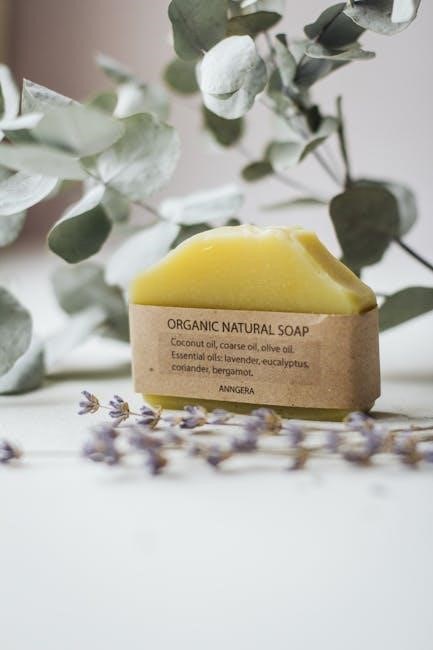
Popular Essential Oils and Their Uses
Lavender, tea tree, peppermint, and eucalyptus are widely used for relaxation, antiseptic properties, energy boosts, and respiratory relief; explore detailed PDF guides!
Lavender Essential Oil: Benefits and Applications
Lavender essential oil stands as a cornerstone in aromatherapy, celebrated for its calming and versatile properties. Historically utilized for centuries, it’s renowned for reducing stress, anxiety, and promoting restful sleep. Its gentle nature makes it suitable for various applications, including topical use – always diluted with a carrier oil – and inhalation.
Beyond relaxation, lavender exhibits antiseptic and anti-inflammatory qualities, aiding in minor wound healing and skin irritation relief. Many PDF guides detail its use in homemade cleaning products, offering a natural alternative to harsh chemicals. It’s also frequently incorporated into massage oils to ease muscle tension and promote overall well-being.
However, it’s crucial to consult comprehensive resources, such as downloadable PDFs, to understand proper dilution ratios and potential sensitivities before use. These guides often provide detailed information on blending lavender with other essential oils to enhance its therapeutic benefits and create personalized aromatherapy experiences.
Tea Tree Essential Oil: Antiseptic and Healing Properties
Tea tree essential oil, derived from the Australian Melaleuca alternifolia tree, is a potent natural antiseptic and antifungal agent. For generations, it has been valued for its remarkable healing capabilities, particularly in addressing skin conditions. It effectively combats acne, athlete’s foot, and minor cuts and scrapes, promoting faster healing and preventing infection.
Its powerful antimicrobial properties make it a valuable addition to homemade cleaning solutions, offering a natural alternative to synthetic disinfectants. Numerous PDF guides detail safe dilution methods for topical application, emphasizing the importance of using a carrier oil to avoid skin irritation.
Detailed resources, often available as downloadable PDFs, outline its use in treating insect bites and soothing skin inflammation. However, it’s vital to remember that tea tree oil is toxic if ingested and should always be kept out of reach of children and pets. Always consult reliable sources before use.
Peppermint Essential Oil: Energy and Digestive Support
Peppermint essential oil, known for its invigorating aroma, is a versatile oil offering both energizing and therapeutic benefits. It’s widely recognized for its ability to boost alertness and mental clarity, making it an excellent choice for combating fatigue and improving focus. A simple inhalation can provide a refreshing lift.
Beyond its stimulating properties, peppermint oil provides significant digestive support. It can help alleviate symptoms of indigestion, bloating, and nausea, promoting a calmer and more comfortable digestive process. Many PDF guides detail safe methods for incorporating peppermint oil into digestive remedies.
Downloadable PDF resources often highlight its use in easing headaches and muscle tension when diluted with a carrier oil and applied topically. However, caution is advised; it should be avoided by individuals with certain medical conditions and used sparingly. Always consult a healthcare professional before use.
Eucalyptus Essential Oil: Respiratory Relief
Eucalyptus essential oil is renowned for its powerful respiratory benefits, making it a staple in many home remedies for congestion and coughs. Its key component, cineole, acts as an expectorant, helping to loosen mucus and clear airways, promoting easier breathing. Steam inhalation with a few drops is a common practice.
Beyond respiratory support, eucalyptus oil possesses antiseptic properties, aiding in fighting off infections. It’s frequently used in chest rubs and inhalants to alleviate symptoms of colds and sinusitis. Numerous PDF guides detail safe dilution ratios for topical application.
Comprehensive PDF resources also outline its potential benefits for muscle aches and pains when combined with a carrier oil for massage. However, caution is crucial; eucalyptus oil is potent and should be used with care, especially around children and pets. Always refer to reliable sources for proper usage guidelines.

Methods of Using Essential Oils
Essential oils can be inhaled for scent and therapy, or diluted with carrier oils for topical use. PDF guides detail safe and effective application techniques.
Aromatherapy: Inhalation Techniques
Aromatherapy utilizes the potent scents of essential oils to influence mood, health, and well-being. Inhalation is a primary method, offering direct access to the limbic system – the brain area governing emotions. Several techniques exist, each with unique benefits.
Direct inhalation involves simply opening a bottle and breathing deeply. Steam inhalation adds a few drops to hot water, creating a therapeutic vapor (caution: keep eyes closed!). Diffusers disperse oils into the air, providing a continuous aromatic experience; Ultrasonic, nebulizing, and evaporative diffusers each function differently.
Personal inhalers, like aroma sticks, offer portable aromatherapy. Many PDF resources detail specific oils for various needs – lavender for relaxation, peppermint for energy, eucalyptus for respiratory support. Always ensure proper ventilation and follow dilution guidelines when using any inhalation method. Understanding the properties outlined in comprehensive guides is crucial for safe and effective aromatherapy.
Topical Application: Dilution and Carrier Oils
Essential oils are highly concentrated and should never be applied directly to the skin undiluted. Topical application requires a carrier oil to safely deliver therapeutic benefits. Carrier oils, like jojoba, sweet almond, grapeseed, or coconut oil, dilute the essential oil, preventing irritation and sensitization.
A general guideline is a 1-3% dilution for adults – approximately 6-18 drops of essential oil per ounce of carrier oil. Sensitive skin or children require even lower dilutions. Proper dilution is paramount for avoiding adverse reactions.

PDF guides detailing essential oil uses often include dilution charts. Patch testing is recommended before widespread application; apply a small, diluted amount to an inconspicuous area and observe for 24 hours. Carrier oils also contribute their own therapeutic properties, enhancing the overall benefits. Always research both the essential oil and carrier oil before use, consulting reliable resources for safe practices.
DIY Recipes with Essential Oils
Essential oils empower you to create personalized wellness solutions at home! Numerous DIY recipes leverage their therapeutic properties. For a calming massage oil, blend lavender, chamomile, and a carrier oil like sweet almond oil. A revitalizing shower steamer combines baking soda, citric acid, water, and invigorating essential oils like peppermint and eucalyptus.
Cleaning solutions benefit from lemon, tea tree, and lavender for their antibacterial and deodorizing qualities. Many PDF guides offer detailed recipes for various needs, from skincare to household cleaning. Remember proper dilution ratios are crucial for safety and efficacy.
Experimenting with blends allows for customized aromatherapy experiences. Always research the properties of each oil before combining them. Start with simple recipes and gradually explore more complex blends, referencing reliable sources for guidance and inspiration. Enjoy the creative process and the natural benefits!

Safety Precautions and Considerations
Essential oils, while natural, require caution. Potential allergies and sensitivities exist; always perform a patch test. Proper storage and awareness of pregnancy/medical interactions are vital.
Potential Allergies and Sensitivities
Essential oils, derived from potent plant sources, can unfortunately trigger allergic reactions or sensitivities in some individuals. These responses vary widely, ranging from mild skin irritation – redness, itching, or a burning sensation – to more severe systemic reactions. It’s crucial to understand that even “natural” substances can provoke an immune response.
Before widespread use, a patch test is absolutely essential. Dilute a small amount of the essential oil with a carrier oil (like jojoba or almond oil) and apply it to a discreet area of skin, such as the inner forearm. Observe the area for 24-48 hours, watching for any adverse reactions. If irritation occurs, discontinue use immediately.
Individuals with pre-existing allergies, asthma, or sensitive skin are particularly vulnerable. Certain oils, like citrus oils, are known to cause photosensitivity, increasing the risk of sunburn. Always consult with a healthcare professional or qualified aromatherapist if you have concerns or a history of allergic reactions. Detailed information regarding potential allergens can often be found within comprehensive PDF guides on essential oil usage.
Proper Storage of Essential Oils
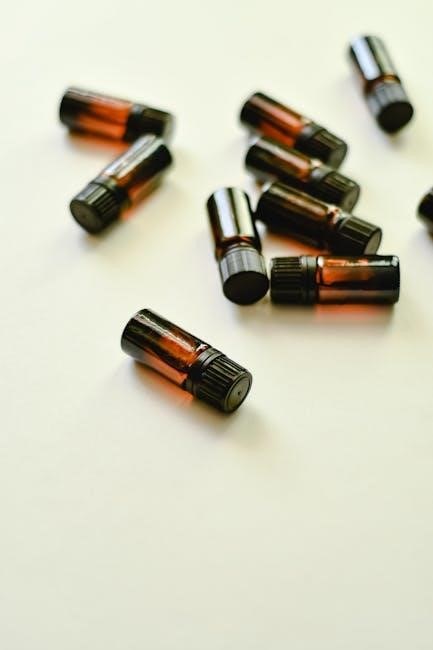
Essential oils are delicate compounds susceptible to degradation from light, heat, and oxygen. Proper storage is paramount to preserving their therapeutic properties and extending their shelf life. Always store oils in dark-colored glass bottles – amber or cobalt blue are ideal – to protect them from harmful UV rays. Avoid clear or plastic containers, as these allow light penetration and can react with the oil.
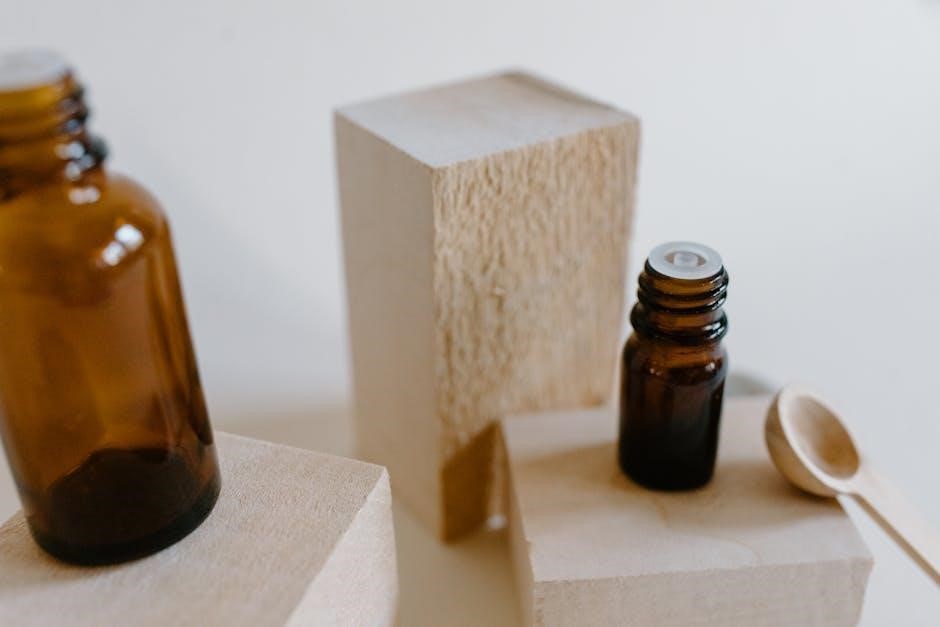
Keep bottles tightly sealed when not in use to minimize oxidation. Store in a cool, dark, and dry place, away from direct sunlight and heat sources like radiators or stoves. A temperature-controlled environment is best; avoid fluctuations. Refrigeration isn’t generally recommended, as it can alter the oil’s consistency, though some oils benefit from it.
Proper labeling with the oil’s name and date of purchase is crucial for tracking freshness. Referencing a detailed PDF guide on essential oil usage can provide specific storage recommendations for individual oils, as some are more sensitive than others. Following these guidelines ensures optimal quality and potency.
Essential Oils and Pregnancy/Medical Conditions
Essential oils, while natural, are potent substances requiring caution during pregnancy and with pre-existing medical conditions. Certain oils are contraindicated during pregnancy due to potential hormonal effects or uterine stimulation. Always consult with a qualified healthcare professional or certified aromatherapist before using essential oils if you are pregnant, breastfeeding, or trying to conceive.
Individuals with medical conditions like asthma, epilepsy, allergies, or skin sensitivities should exercise extreme care. Some oils can interact with medications or exacerbate existing health issues. A thorough understanding of each oil’s properties is vital. Detailed PDF guides outlining contraindications and safe usage for specific conditions are invaluable resources.

Dilution is especially important for sensitive individuals. Perform a patch test before widespread topical application. Never ingest essential oils unless under the direct supervision of a qualified practitioner. Prioritize safety and informed decision-making when incorporating essential oils into your wellness routine.
Resources for Further Learning
Explore reputable brands, online databases, and research platforms for in-depth knowledge. Downloadable PDF guides offer comprehensive lists of essential oils and their varied uses.
Reputable Brands and Suppliers
Navigating the essential oil market requires careful consideration, as quality and purity significantly impact therapeutic benefits. Several brands consistently receive high praise for their commitment to sourcing, testing, and transparency. DoTERRA and Young Living are widely recognized, though often involve a multi-level marketing structure. Plant Therapy offers a vast selection at competitive prices, prioritizing GC/MS testing reports readily available on their website.
Rocky Mountain Oils is another excellent choice, known for its direct sourcing and affordability. For those seeking certified organic options, Eden Botanicals provides a comprehensive range. When researching suppliers, prioritize companies that offer Gas Chromatography/Mass Spectrometry (GC/MS) reports – these detailed analyses verify the chemical composition and purity of each oil batch.
Furthermore, look for suppliers who clearly state their sourcing practices and avoid those with vague or misleading claims. Many downloadable PDF resources, often available on brand websites, detail specific oil profiles and usage guidelines, aiding informed purchasing decisions.
Online Databases and Research
Expanding your knowledge of essential oils necessitates utilizing reliable online resources. The National Association for Holistic Aromatherapy (NAHA) website provides a wealth of information, including safety guidelines and educational articles. PubMed, a service of the National Library of Medicine, offers access to scientific studies investigating the therapeutic properties of various oils.

Additionally, websites like AromaWeb serve as comprehensive databases, detailing individual oil profiles, chemical constituents, and traditional uses. Robert Tisserand’s website is a valuable resource for evidence-based aromatherapy information, emphasizing safety and responsible usage. Many downloadable PDF guides, often compiled by aromatherapists, offer practical applications and blend recipes.
However, critical evaluation is crucial; not all online information is accurate; Prioritize resources backed by scientific research and qualified aromatherapists. Cross-reference information from multiple sources to ensure reliability and avoid relying solely on anecdotal evidence. Thorough research empowers informed and safe essential oil practices.
PDF Guides and Downloadable Resources
Numerous downloadable PDF guides consolidate essential oil information, offering convenient access to comprehensive data. These resources frequently detail specific oil profiles, outlining botanical origins, chemical compositions, therapeutic properties, and safety precautions. Many guides categorize oils by application – for example, stress relief, sleep support, or immune boosting – simplifying blend creation.
Aromatherapy associations and reputable brands often provide free PDFs on their websites, covering topics like dilution ratios, carrier oil selection, and safe topical application. Searching online for “essential oil uses PDF” yields a variety of options, though careful vetting is essential to ensure accuracy and reliability.
Look for guides authored by certified aromatherapists or organizations with established expertise. These resources can be invaluable for beginners, providing a structured learning path and practical recipes. Remember to always prioritize safety information and consult with a healthcare professional before using essential oils for medicinal purposes.
Leave a Reply
You must be logged in to post a comment.